- Couse Code: AVI20325
Certificate II in Transport Security Protection (Maritime Screening Officer)
Specialist training for transport security personnel working in maritime and cruise terminal screening environments
The Certificate II in Transport Security Protection (Maritime Screening Officer) provides nationally recognised training for individuals seeking to work in passenger screening and access control roles within Australia’s maritime transport security sector, including cruise terminals and regulated port environments.







The Certificate II in Transport Security Protection (Maritime Screening Officer) is the essential starting point for anyone looking to begin a career in maritime security, particularly within Australia’s growing cruise terminal sector. If you’re interested in working in a high-visibility, people-focused environment where your role directly supports the safety of passengers, crew and vessels, this course provides the foundation employers expect.
Training prepares you for frontline screening roles at maritime passenger screening points, including screening of people, personal effects and items, as well as managing access to secure maritime zones in busy terminal settings. While cruise terminals are the primary employment pathway, the skills gained are also applicable to other regulated maritime environments such as ferry terminals, ports and wharves. For many learners, this qualification is the first step into a long-term career in maritime transport security, offering stable employment opportunities, clear progression pathways and the chance to work in one of Australia’s most important passenger transport sectors.
Course Overview
This maritime security program is designed for individuals seeking to work in regulated transport security screening roles within Australia’s maritime sector, with a strong focus on cruise terminal operations. The course develops practical capability to operate effectively at maritime passenger screening points, including managing access to secure and restricted areas, conducting primary and secondary screening of people and items, and identifying weapons, prohibited items and security risks in accordance with approved maritime security procedures. Learners gain hands-on experience with screening technologies and equipment commonly used in maritime environments, including X-ray screening systems, electronic metal detection and other approved screening tools.
Training is aligned to the operational realities of cruise terminals, ferry terminals, ports and wharf facilities, where large passenger volumes, vessel schedules and public-facing operations require consistent decision-making, clear communication and strong situational awareness. Emphasis is placed on professional conduct, teamwork and accuracy in high-throughput environments where security screening must be both effective and efficient. On completion, graduates are prepared to perform maritime screening duties within approved transport security programs, supporting the safety of passengers, crew, vessels and maritime infrastructure.
Completion of this qualification forms part of the pathway to working as a Maritime Screening Officer; however, individuals must also meet the requirements of the Department of Home Affairs Screener Accreditation Scheme before performing screening duties independently.
Learn more about the Screener Accreditation Scheme
Course Outcomes
On successful completion of this program, participants will receive the AVI20325 Certificate II in Transport Security Protection (Maritime Screening Officer), providing nationally recognised training aligned to regulated maritime transport security screening roles across Australia.
This course develops the practical skills required to perform passenger and item screening activities within approved maritime transport security frameworks. Graduates are prepared to operate at maritime passenger screening points and controlled access areas, manage entry to secure and restricted maritime zones, conduct primary and secondary screening and physical searches, identify weapons, prohibited items and security risks, and operate approved screening technologies commonly used in maritime environments. The training supports confident, consistent decision-making and professional conduct in high-volume, public-facing settings such as cruise terminals, where accuracy, judgement and effective communication are essential.
Potential job outcomes may include:
- Maritime Screening Officer
- Cruise Terminal Screening Officer
- Port or Wharf Screening Officer
- Passenger Screening Officer (Maritime)
Screener Accreditation Scheme (Department of Home Affairs)
In addition to completing the Certificate II in Transport Security Protection, individuals working as Maritime Screening Officers must meet the requirements of the Screener Accreditation Scheme administered by the Department of Home Affairs. This scheme ensures transport security screeners are competent, current and authorised to perform screening duties independently within regulated maritime environments.
After completing the qualification, new screeners are required to undertake a minimum of 40 hours of supervised on-the-job training with their employer. During this period, screening activities at maritime passenger screening points and access control locations must be performed under supervision. Once workplace training is complete, the screener must successfully complete an accreditation assessment conducted by a Department of Home Affairs–approved Accreditor before they are authorised to make independent screening decisions.
To maintain accreditation, Maritime Screening Officers must also complete annual professional development and successfully undertake annual re-accreditation assessments, as required by the Department of Home Affairs. These ongoing requirements ensure screeners remain current with evolving threats, screening technologies and regulatory expectations within Australia’s maritime transport security system.
Learn more about the Screener Accreditation Scheme
Entry Requirements
› LLND Review
All students must complete a Language, Literacy, Numeracy and Digital (LLND) review prior to enrolment. This helps ensure participants have the foundational skills required for online learning, written assessments and safe participation in maritime transport security screening training.
A detailed guide to the LLND process is available here:
🔗 https://www.asset.edu.au/asset-llnd-review/
› Age, Identification and Aviation Security Requirements
This qualification is intended for individuals seeking to work in regulated maritime transport security screening roles, including cruise terminals, ports and other maritime facilities. Participants should ensure they meet typical industry and regulatory expectations, including:
- Being at least 18 years old
- Providing valid photo identification
- Being eligible to work in Australia
- Being able to pass maritime security background checks
As this qualification includes access to security-restricted maritime content, participants must hold one of the following before accessing certain training materials:
- A valid Maritime Security Identification Card (MSIC), or
- A Job Ready MSIC background check issued by an approved MSIC Issuing Body
Learn more about Maritime Security Identification Cards (MSICs)
Apply for a Job Ready MSIC
› Digital Requirements
This course includes online learning components. Students will need:
- Access to a computer or laptop
- Reliable internet access
- Basic digital literacy
Paper-based learning and assessment options can be arranged where appropriate. Free computer and Wi-Fi access is available at Asset College campuses.
More information is available here:
🔗 https://www.asset.edu.au/digital-requirements-for-students/
› Support for Disability, Learning Differences or Individual Needs
Asset College welcomes students with diverse learning needs. Participants who may require reasonable adjustments or additional support are encouraged to discuss their needs during enrolment.
Support information can be found here:
🔗 https://www.asset.edu.au/student-support-services/
› International Students
This course is not available to individuals on a Student Visa (subclass 500).
Units of Competency
To achieve the AVI20325 Certificate II in Transport Security Protection (Maritime Screening Officer), participants must complete a total of 11 units of competency, comprising 4 core units and 7 elective units selected to reflect passenger screening and access control roles within regulated maritime environments.
› Core Units
These units develop the foundational skills required to work effectively within regulated transport security environments and perform approved screening functions:
- AVIG0006 – Work effectively in a transport security environment
- AVIO0033 – Establish secure areas and manage access control points
- AVIO0034 – Identify and manage weapons, explosives and prohibited items
- AVIO0039 – Undertake physical search
› Elective Units
Group A – Imaging Equipment
- AVIO0038 – Screen articles by interpreting X-ray images
Group D – Maritime Screening Officer
- AVIO0028 – Conduct primary screening of persons
- AVIO0031 – Conduct secondary screening of persons
- AVIO0036 – Manage disruptive behaviour and unlawful interference within a transport security environment
› General Electives
- AVIO0027 – Identify powders, liquids, aerosols and gels (PLAGs)
- AVIF0047 – Apply awareness of dangerous goods and hazardous substances in the transport security environment
- AVIO0030 – Conduct screening using explosive trace detection equipment
› Cross-Sector Application
While this course is delivered in a maritime passenger screening context, the core units are common across the transport security sector. Subject to employer requirements and regulatory arrangements, selected units may also support employment pathways in other transport screening environments, including aviation or air cargo operations.
› Alternate Electives
Elective units have been selected to align with maritime passenger screening roles and current industry requirements. Alternate elective combinations may be available for group or corporate bookings, subject to Training Package rules and operational needs. Customised delivery options can be discussed with Asset College prior to enrolment.
Pathways
Completion of the Certificate II in Transport Security Protection (Maritime Screening Officer) provides a strong foundation for continued career development within maritime security and the broader security industry. Graduates may choose to expand their opportunities through further nationally recognised training, depending on their career goals and employment context.
› Security Industry Pathways
For individuals seeking to broaden their employment options beyond maritime screening roles, this qualification can be complemented by the:
- CPP20218 Certificate II in Security Operations
This qualification supports entry into general security roles and may be used as part of the pathway toward security licensing in relevant states and territories, subject to regulator requirements.
› Career Development Support
To assist with planning next steps, students and graduates are encouraged to access Asset College’s career support services, including:
- Free Career Information Sessions – held regularly online and at selected campus locations
- Employer Connections Events – opportunities to connect with maritime, transport and security employers
MSIC and Screener Accreditation Requirements
Employment in maritime screening roles is subject to additional regulatory requirements that sit outside the training itself. While completion of the Certificate II in Transport Security Protection (Maritime Screening Officer) provides the required skills and knowledge for passenger and item screening functions, individuals must also meet maritime security clearance and accreditation obligations before performing screening duties independently.
Maritime Screening Officers are required to hold a valid Maritime Security Identification Card (MSIC) to access secure maritime environments once employed; however, individuals who are not yet employed and do not meet the operational need requirement for an MSIC may complete a Job Ready MSIC background check in order to undertake this course without a sponsoring employer. These requirements are administered under Australia’s maritime transport security framework and apply to individuals working at maritime passenger screening points, access control locations and secure port or cruise terminal areas.
In addition, screeners must be accredited under the Department of Home Affairs Screener Accreditation Scheme, which includes workplace-based training, formal assessment by an approved accreditor, and ongoing annual professional development and re-accreditation. Employers are responsible for supporting screeners through this process once employment commences.
Further information on these requirements, including how they apply in practice, is available in the dedicated articles below:
Asset College provides training aligned to these regulatory frameworks; however, final clearance, accreditation and ongoing approval decisions are determined by the relevant authorities and employers.
Course Pathways
Start Your Course Training with Asset College
- View all Aviation and Maritime Courses
Asset College offers several fee options for the Certificate II in Transport Security Protection (Maritime Screening Officer), depending on delivery location and eligibility for government funding.
› Standard Course Fees
- $1,500 – Training delivered at Asset College campuses
- $1,750 – Training delivered at other locations around Australia
These fees include access to online learning materials, eight days of face-to-face practical training, assessment, and student support services provided by Asset College.
› Career Start Funding – Co-Contribution Fees (Eligible QLD Residents Only)
This course is subsidised for eligible Queensland residents under the QLD Government Skills Assure – Career Start program.
- $0 – For students who meet Career Start funding and concession eligibility
- $55 – Co-contribution fee for students who meet Career Start funding but do not meet concession eligibility
Funding eligibility is determined by program requirements.
Check your eligibility
› Recognition of Prior Learning (RPL)
- $900 – For eligible candidates completing the qualification through Recognition of Prior Learning
RPL is suitable for individuals with relevant maritime security screening experience who can demonstrate competence across all required units of competency.
Start a Free RPL Skills Assessment
› Additional Fees
Background check and identification costs (such as MSIC or JobReady MSIC applications) are not included in the course fees and are payable directly to the relevant issuing bodies.
Other administrative fees may apply in circumstances such as cancellations, extensions, rebooking or reassessment. Refer to Asset College’s Fee Schedule and Student Handbook for full details.
Enrol Online
Contact Us to Confirm Your Fee
Asset College delivers the Certificate II in Transport Security Protection (Maritime Screening Officer) through a blended training model designed to build practical maritime screening capability while supporting compliance with Australia’s maritime transport security requirements.
› Blended Delivery (Standard Option)
This course combines self-paced online learning with five days online instructor-led training plus 3 day practical workshop. Participants complete theory components online at their own pace before attending scheduled practical sessions, where screening procedures and operational tasks are practised in controlled, industry-relevant environments.
The practical component focuses on maritime screening activities, including passenger screening, screening of items and personal effects, access control procedures, physical search techniques, operation of approved screening technologies (such as X-ray or 3D CT systems and electronic metal detection equipment), and the application of approved maritime security procedures used at Australian ports and cruise terminals.
› Training Locations (Public Courses)
Public courses are delivered at selected Asset College locations, including:
- Brisbane (North Lakes)
- Gold Coast (Ashmore)
- Sydney (Parramatta)
Public course schedules are published regularly. If no dates are currently listed for your preferred location, you may register your interest to be notified when training becomes available.
In addition to public course locations, Asset College delivers maritime security screening training Australia-wide, subject to access to suitable airport-style screening facilities.
View Course Dates
Enrol Online
› Group and Corporate Bookings
Asset College can deliver this course for group or corporate clients anywhere in Australia, subject to access to suitable maritime screening facilities. Training may be delivered onsite or at an Asset College location and can be contextualised to reflect organisational procedures, maritime environments and specific screening responsibilities.
Contact Us for a Tailored Quote
› Recognition of Prior Learning (RPL)
Experienced personnel working in maritime security screening roles may be eligible to complete this qualification through Recognition of Prior Learning (RPL). Candidates must provide evidence demonstrating competence across all required units of competency.
Start a Free RPL Skills Assessment
› Career Support Opportunities
Students and graduates are encouraged to access Asset College’s career support services, including:
- Free Career Information Sessions – held regularly online and at campus locations
- Employer Connections Events – opportunities to connect with maritime security and transport security employers
Why Choose Asset College For Your Certificate II in Transport Security Protection (Maritime Screening Officer) Course
When you choose Asset College, you’re not just choosing an RTO — you’re choosing a partner in your career journey.
For more than 20 years, we’ve trained and guided thousands of Australians into security careers. We’re nationally recognised, connected to employers, and trusted across QLD, NSW, and VIC.
Our graduates don’t just get trained — they get employed. That’s the difference.
Free Career Information Session
For anyone considering the sector – covering roles, employers, licensing, wages and more.
Employer Connections®
Our unique Employer Connections® speed dating events provide real-time interaction with the industry’s leading employers.
High Quality Training
High quality training across every aspect of the Security Sector.
The instructors had great knowledge and life experience. They were also very approachable and kind. The facilities were amazing, state of the art technology & facility itself. Good parking & close to other buildings that you might need to use during your course!
Connar McKinney
I would like to make note of Henry Winzar, the Recognition of Prior Learning (RPL) Manager. He was amazing. He helped me through the whole process and gave me great support along the way and was fast and quick to respond to any enquiry I had during the course. He always answered his phone if I needed more clarification. I would highly recommend Asset College to anyone looking to upskill.
Phill Bowden
Recognition of Prior Learning (RPL)
RPL Fee
$900
RPL allows your existing skills and experience to be assessed towards a nationally recognised qualification, often enabling you to complete the course faster and at a lower cost than traditional study.
RPL may not be suitable for everyone, as outcomes depend on the evidence you provide and the assessment conducted by a qualified assessor.
Students applying for RPL must submit a FREE Skills Assessment form before enrolling in the course.
Government Funding Available
Career Start Program – QLD Only
Funded Concession
$0
Funded Non-concession
$55
You may be eligible for funding. Find out in just a few clicks, or begin your full funding application if you’re ready to proceed.
Certificate II in Transport Security Protection (Maritime Screening Officer) Dates & Availability
There are currently no openings available for this course.
Training Partnerships
Enrol direct with Asset College. This course is not available via Third Parties.
Discover Our Asset College Campuses
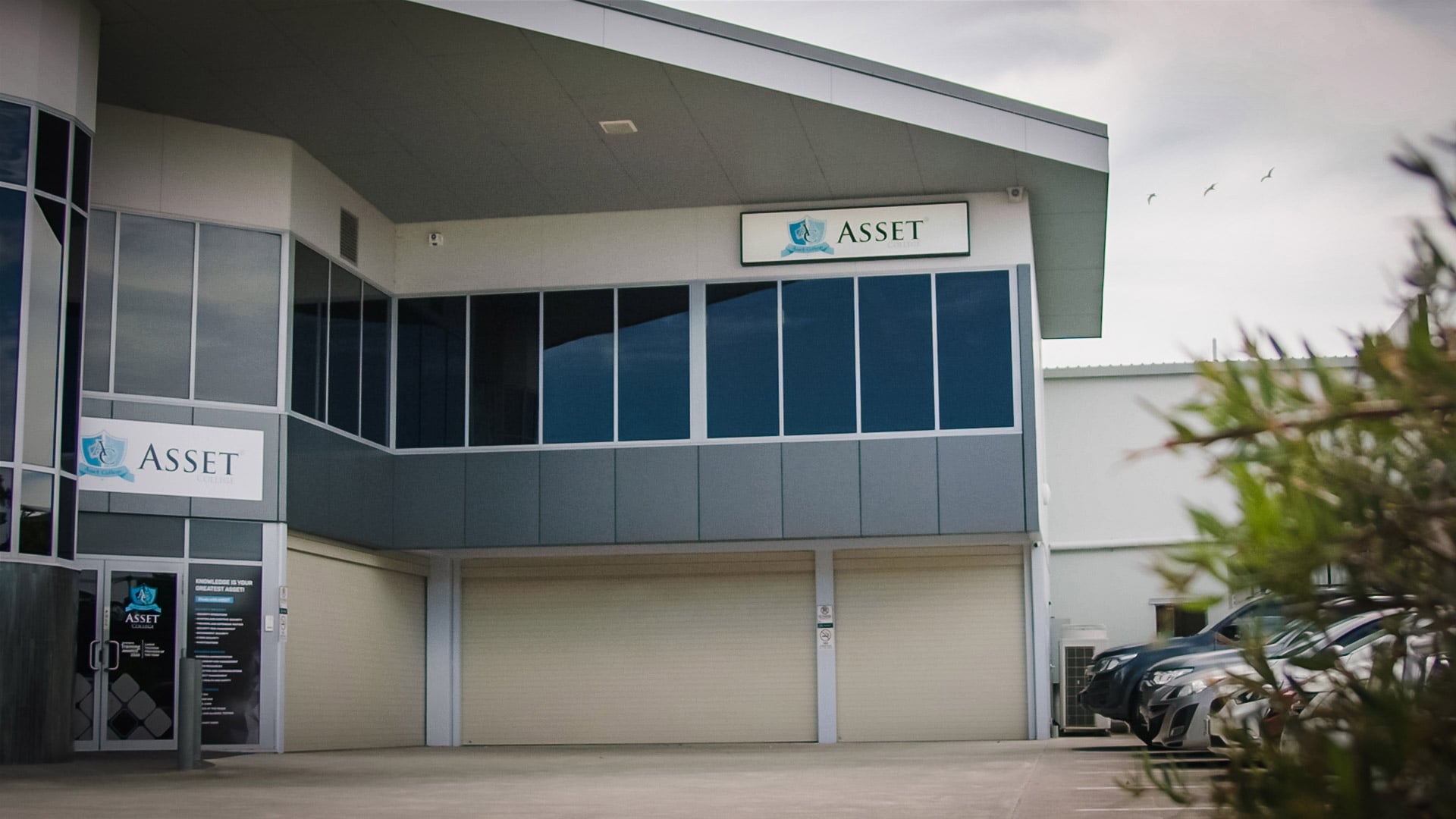
North Lakes, QLD (Head Office)
18 Flinders Parade, North Lakes QLD 4509
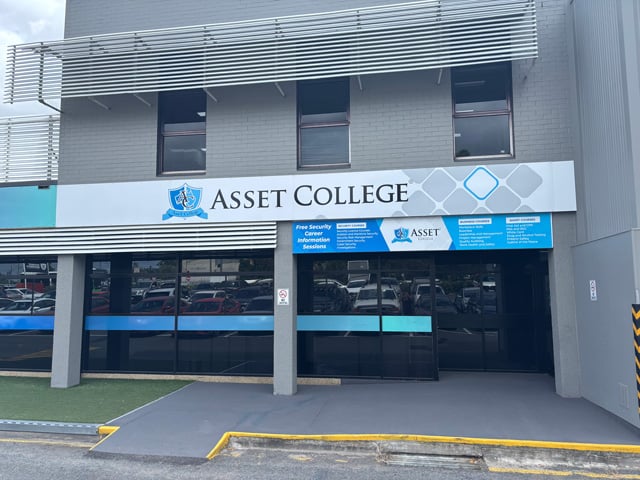
Logan Central, QLD
17 Station Road Logan Central QLD 4114
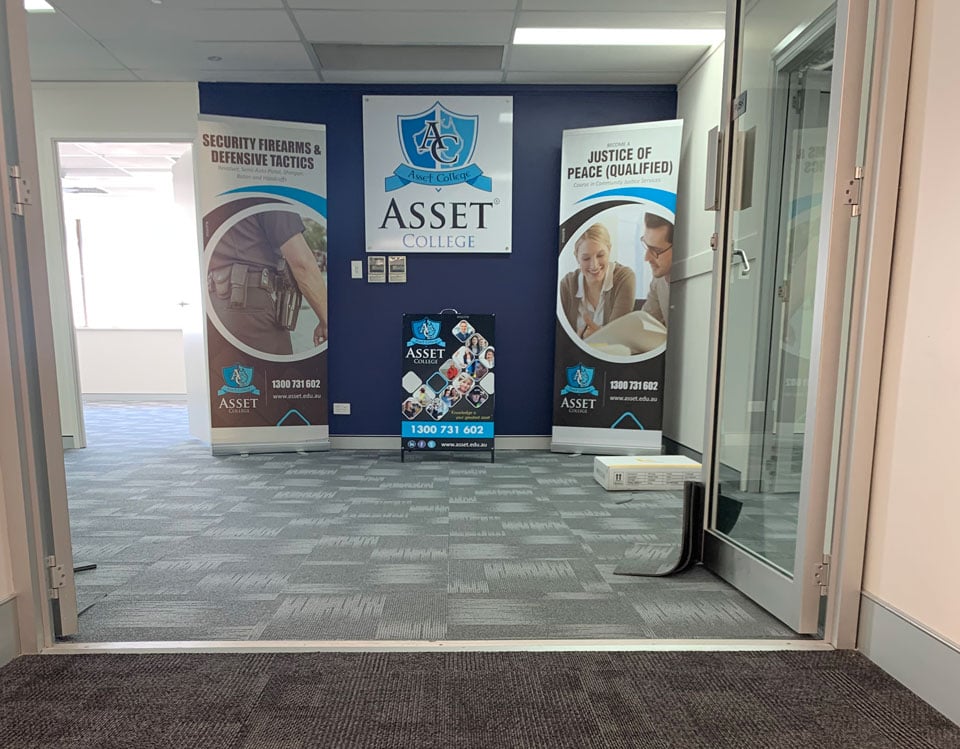
Gold Coast, QLD
Unit 39, Level 3 207 Currumburra Road Ashmore QLD 4214
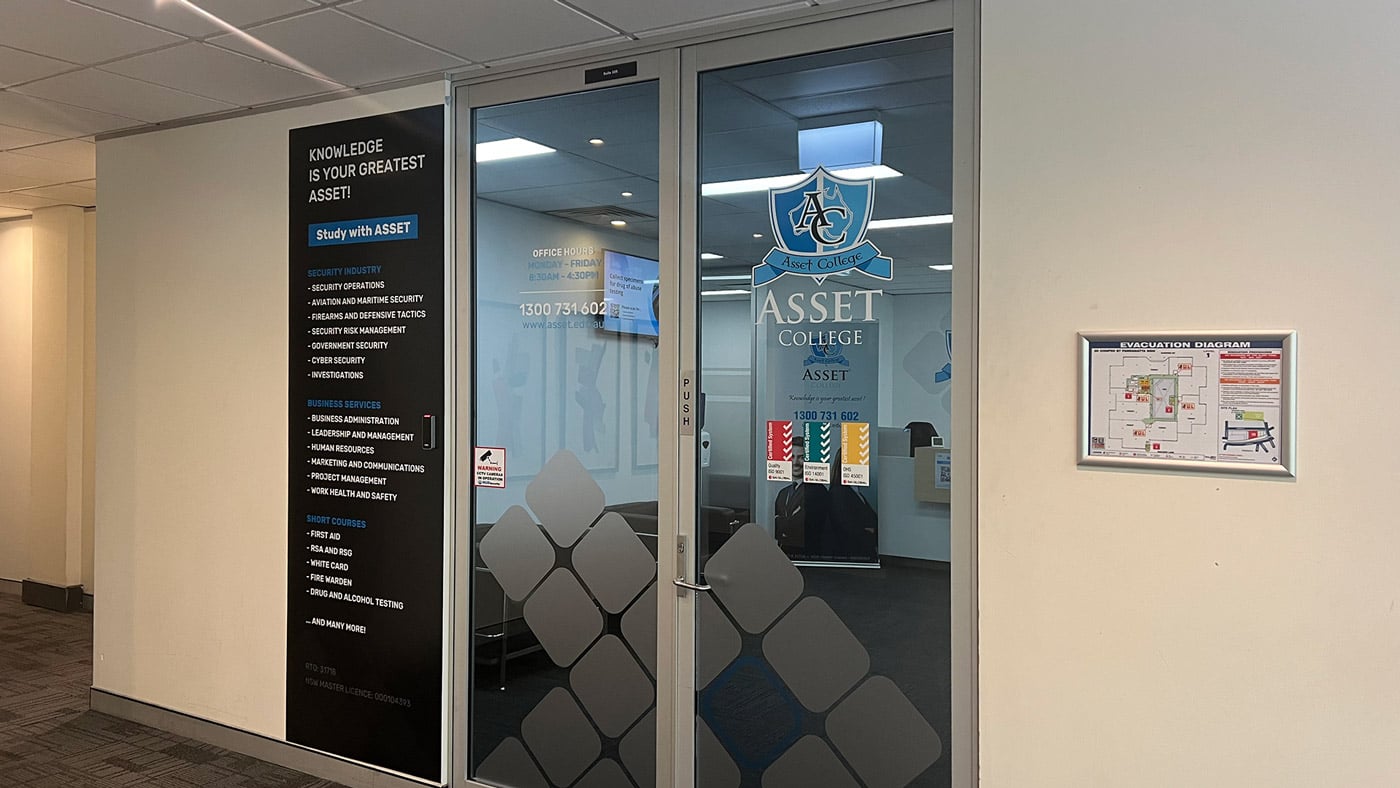
Parramatta, NSW
Suite 105 Level 1, 30 Cowper St Parramatta
NSW 2150
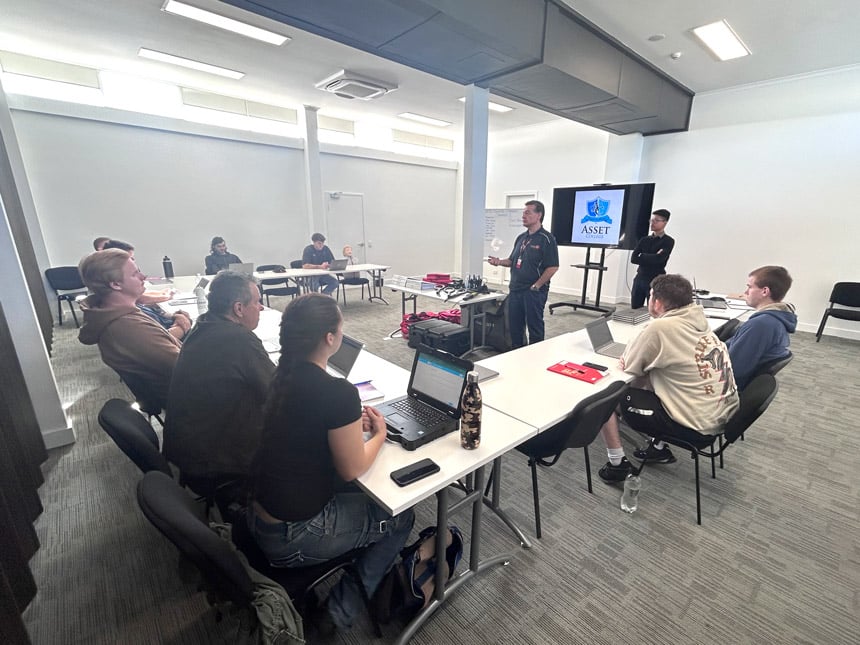
QLD Onsite and Regional Locations
Townsville, Mackay, Rockhampton, Kingaroy, Bundaberg, Cairns

NSW Onsite and Regional Locations
Orange, Wagga Wagga, Coff Harbour, Ballina, Woollahra, Albury, Griffith, Moree, Nowra, Sydney

VIC Onsite and Regional Locations
Melbourne, Dandenong, Bendigo, Bairnsdale, Deer Park, Geelong