What Is the Phonetic Alphabet? Why It Matters in Security and Safety Roles
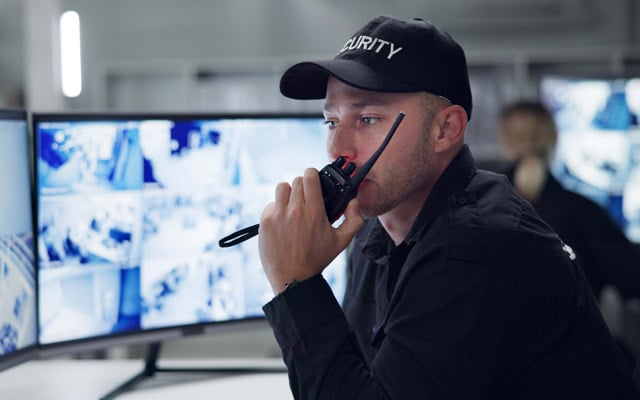
Clear and reliable radio communication is a core skill for security officers. In many security environments, two-way radios are the primary method of communication between officers, supervisors, and control rooms. Whether working in a busy public venue, a large site, or during an incident, the ability to communicate clearly over the radio supports safety, coordination, and effective decision-making.
Two-way radio communication in security refers to the structured use of radios to share clear, concise operational information between officers, supervisors, and control rooms. Unlike casual conversation, professional radio communication must account for background noise, radio interference, time pressure, and multiple users sharing the same channel. Poor radio communication can lead to misunderstandings, delayed responses, or incorrect actions.
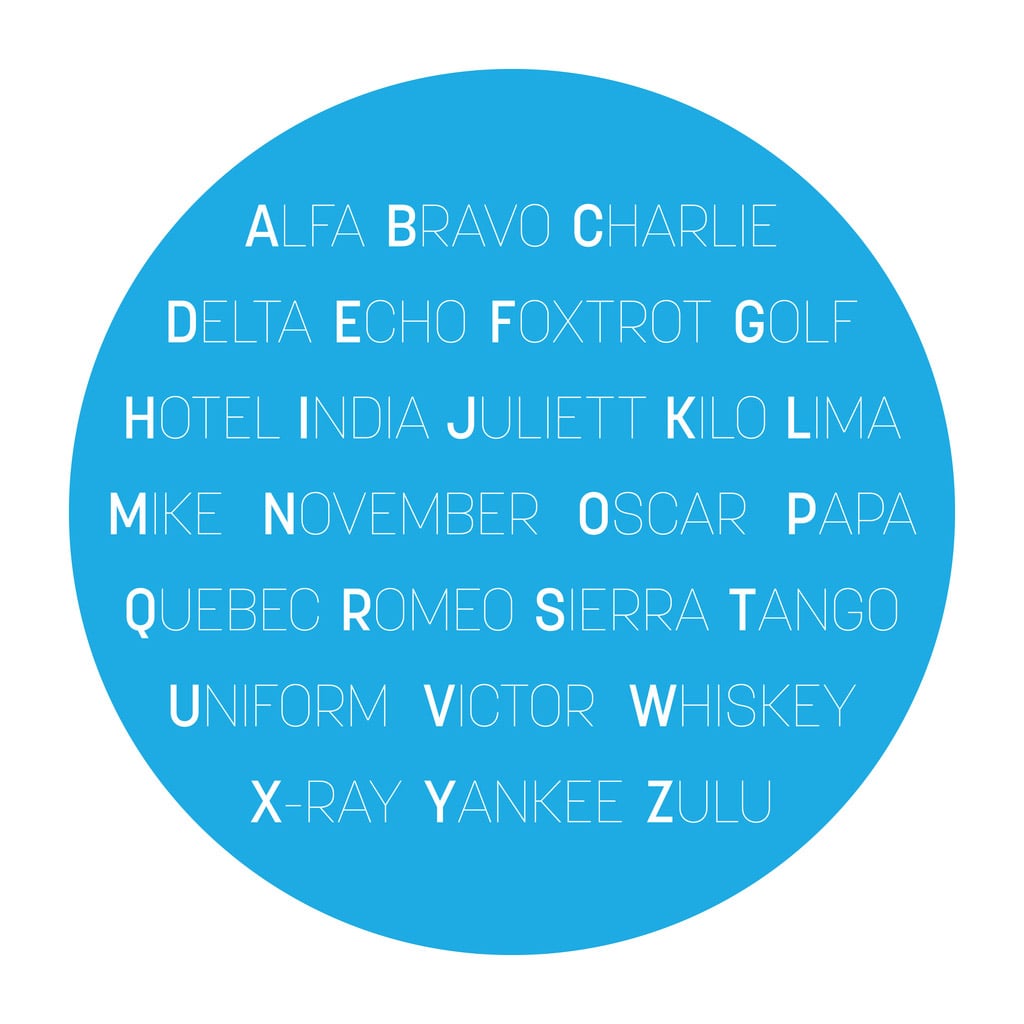
Security officers are expected to follow workplace procedures for radio use and communicate professionally at all times. This includes using plain language, identifying yourself correctly, and spelling information clearly when required. When letters or identifiers need to be spelled aloud, the phonetic alphabet is used to reduce confusion. A detailed explanation of this system is covered in our guide to the phonetic alphabet, which forms an important part of effective radio communication in security work.
Radios Used in Security Operations
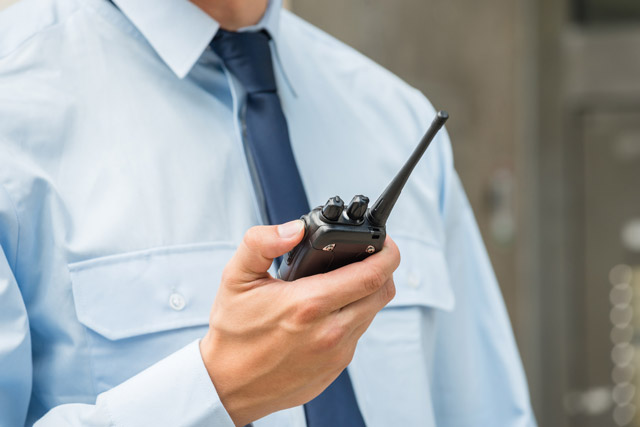
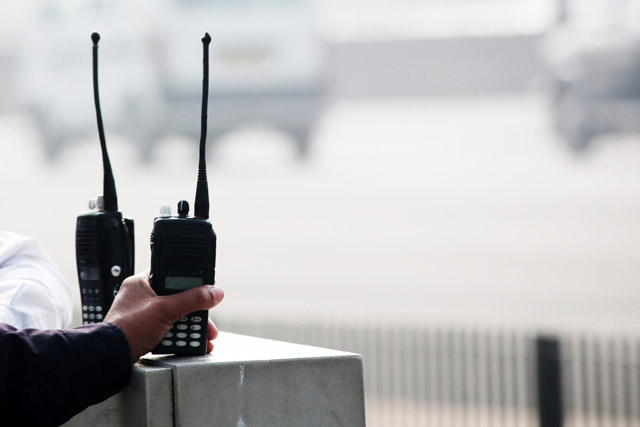
Security officers may use a range of radio equipment depending on the site, employer, and operational requirements. The most common device is the handheld, or portable, two-way radio. These radios allow officers to remain mobile while maintaining constant communication with others on the same channel.
In some environments, vehicle-mounted radios are used, particularly for mobile patrols or large sites. These radios generally provide greater range and power but are fixed to a vehicle. Earpieces or headsets are also commonly used in security work, allowing discreet communication, reducing background noise, and limiting how much radio traffic is audible to members of the public.
All radios have practical limitations. Range may be affected by buildings, terrain, and interference, while battery life can vary depending on usage and conditions. Security officers are expected to understand the basic capabilities and limitations of the radios they are issued and to follow site-specific instructions for their use.
Basic Radio Functions Security Officers Should Understand
Before starting a shift, security officers should be familiar with the basic functions of their radio and confirm it is operating correctly. Understanding how to use the equipment properly helps prevent communication failures during routine operations and incidents.
Key radio functions include:
- powering the radio on and off
- adjusting the volume to an appropriate level
- selecting the correct channel as directed by site procedures
- using the push-to-talk (PTT) button correctly
When transmitting, officers should press the PTT button briefly before speaking to ensure the radio is transmitting, then speak clearly and release the button once the message is complete. Holding the PTT button while thinking or hesitating can block the channel and prevent others from communicating.
Battery management is also important. Radios should be fully charged at the start of a shift, and spare batteries should be used where provided. Recognising low-battery warnings and reporting equipment issues early helps ensure reliable communication throughout operations.
Call Signs and Radio Identification
In security operations, radio channels are often shared by multiple users. To ensure messages are clearly directed and understood, security officers use call signs or radio identifiers rather than personal names. Call signs make it clear who is speaking and who a message is intended for, reducing confusion and unnecessary follow-up.
Call signs may be based on numbers, locations, roles, or a combination of these. For example, an officer may be identified by a patrol number, a specific area, or a designated function on site. The exact format of call signs varies between employers and locations, and security officers are expected to follow the call sign system established by their site or supervisor.
Consistent use of call signs supports professional radio communication and, in some cases, confidentiality. Radio channels may be monitored or shared, so avoiding personal names or unnecessary identifying information helps maintain appropriate professional boundaries.
Making and Receiving Radio Calls Professionally
Professional radio communication follows a clear and consistent structure. When initiating a radio call, a security officer should first identify who they are calling, then identify themselves using their call sign, followed by the message. This ensures the intended recipient is ready to receive the information.
When receiving a radio call, officers should acknowledge the message promptly using the appropriate call sign or confirmation required by site procedures. Acknowledgement lets the sender know that the message has been received and understood, supporting efficient radio communication.
Messages should be clear, concise, and focused on essential information. Plain language should be used, meaning clear and commonly understood words rather than slang, jargon, or abbreviations unless they are part of approved site procedures. Speaking calmly and at a steady pace is more effective than rushing, particularly in noisy environments.
When spelling names, locations, or identifiers, security officers should use the standard phonetic alphabet to reduce the risk of misunderstanding. Using clear spoken spelling supports accurate communication across the team and helps prevent errors in follow-up actions or reporting.
Only one person should speak at a time on a radio channel. Officers should wait for a clear channel before transmitting and avoid interrupting other communications unless there is an urgent reason to do so.
Radio Checks and Readiness
Radio checks are a simple but essential part of security radio procedures. A radio check confirms that a radio can transmit and receive messages clearly and that the volume and channel settings are correct.
Radio checks are commonly conducted:
- at the start of a shift
- when changing channels
- during equipment handover
Conducting a radio check early helps identify issues such as poor audio quality, incorrect channel selection, or low battery levels before they affect operations. If a problem is identified, it should be reported promptly so corrective action can be taken.
Ensuring radio readiness is a shared responsibility. Regular radio checks support reliable communication throughout the shift and reduce the risk of communication failures during critical moments.
Radio Etiquette and Common Mistakes
Professional radio etiquette helps keep communication clear, efficient, and available when it is needed most. Security officers should speak calmly, use a steady pace, and limit radio traffic to work-related communication. Waiting for a clear channel before transmitting helps prevent messages being cut off or overlapped.
Good radio etiquette includes:
- identifying yourself correctly using your call sign
- keeping messages brief and relevant
- allowing a short pause before and after transmitting
- using plain language rather than slang or informal expressions
Radio channels are often shared or monitored, so sensitive or personal information should only be transmitted in accordance with site procedures.
Common radio communication mistakes include talking too quickly, pressing the push-to-talk button too late or releasing it too early, and failing to clearly identify who a message is intended for. Another frequent issue is overloading the channel with unnecessary detail, which can make important messages harder to hear and delay other users.
By following professional radio etiquette and avoiding these common mistakes, security officers help reduce radio congestion, minimise confusion, and maintain effective communication across the team.
Radio Communication During Incidents
During incidents, effective radio communication becomes even more important. Security officers may need to share information quickly, coordinate with other team members, or receive instructions from supervisors or a control room. In these situations, calm and controlled communication supports coordinated responses and safer outcomes.
Officers should identify themselves clearly, listen carefully to instructions, and confirm key information when required. Messages should focus on essential details and avoid unnecessary commentary. Speaking clearly and maintaining a steady pace helps ensure information is understood, even in noisy or stressful conditions.
Radio communication during incidents should always follow site procedures. Security officers are expected to escalate information appropriately, follow directions from supervisors, and switch channels if instructed. Maintaining professional radio communication helps ensure that information flows effectively during critical situations.
Recording and Reporting Information Received by Radio
Information communicated over the radio often forms the basis of written records and reports. Details such as times, locations, descriptions, and instructions received by radio may need to be recorded in notebooks, control room logs, or incident reports.
Clear radio communication supports accurate reporting. When information is communicated clearly and confirmed, it is less likely to be recorded incorrectly. This is particularly important for follow-up actions, investigations, and meeting workplace or regulatory requirements.
Security officers should ensure they fully understand radio instructions before acting on them and seek clarification where necessary. Accurate recording of information received by radio supports accountability and professional standards within the security industry.
Training Expectations for Security Officers
Effective radio communication is a core competency for licensed security officers. Two-way radio communication is a routine part of security work, and officers are expected to understand basic radio functions, follow security radio procedures, and communicate professionally at all times.
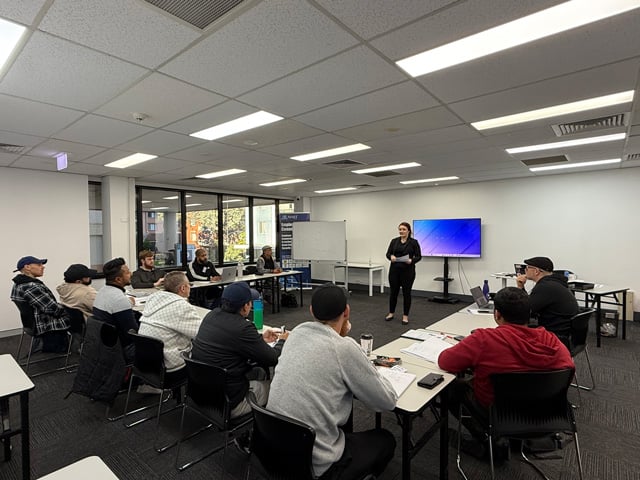
Security training reinforces communication skills such as the use of call signs, radio checks, professional radio etiquette, and clear spoken communication. This includes using the phonetic alphabet when spelling information aloud to reduce the risk of misunderstanding and support accuracy.
Developing strong radio communication skills supports safer operations, clearer reporting, and more effective teamwork across a wide range of security environments.
Security Training with Asset College
Professional radio communication forms part of the practical skill set expected of licensed security officers and supports broader operational and communication standards within the security industry.
Asset College delivers nationally recognised security training and security licence courses across Australia. Our programs focus on practical, real-world skills, including radio communication skills, use of call signs, incident reporting, and working confidently within site procedures.
Whether you are entering the security industry for the first time or renewing or upgrading your security licence, quality training helps ensure you are prepared to meet workplace expectations and regulatory requirements.
To learn more, explore our security licence courses or browse our nationally recognised security qualifications to find the training pathway that aligns with your goals.
What Is the Phonetic Alphabet and Why Do Security Guards Use It?
Clear and accurate communication is critical in security and safety roles. Security officers often work in noisy, crowded, or high-pressure environments where misunderstandings can quickly lead to errors, delays, or safety risks. Radio transmissions may be affected by interference, names and locations may be unfamiliar, and information often needs to be conveyed quickly and precisely.