

[Updated 10th December 2025]
Choosing the right security course is an important first step towards a safe, confident and successful career in the industry. While the qualification you complete will help you apply for a licence, the quality of your training determines how prepared you’ll feel when you begin real operational work. Good training builds your communication skills, situational awareness and professionalism – all essential qualities for modern security roles.
People enter the industry for many different reasons. Some want stable employment, others are seeking a new direction, and many are looking for a pathway into specialist roles such as aviation screening, event security, control room operations or protective services. The training you choose should reflect your goals, your learning style and the environments you want to work in.
This guide is designed to help you make an informed decision about your training options. It explains what to look for, how to assess your suitability and how to identify a provider who will prepare you properly for the job. It complements our other information but stands alone as a practical decision-making resource.
Start With Your Intention: What Kind of Security Work Interests You?
Before comparing training providers, it helps to consider the type of security work that interests you. While most people start with the same entry-level qualification, different environments require different strengths. Knowing where you want to work makes it easier to choose a course that prepares you well.
If you’re interested in general guarding roles—such as retail, corporate buildings, health facilities or community spaces—look for training with realistic scenarios that focus on communication and customer service. These roles rely heavily on engaging with people, observing behaviour and responding calmly to issues.
If you see yourself in crowd-based environments like hospitality venues, nightlife districts or events, prioritise training that includes scenarios involving large groups, conflict management and early intervention. These roles suit people who enjoy fast-paced, active workplaces.
For mobile patrol work, where shifts cover multiple sites, choose training that builds situational awareness, lone-worker safety and strong reporting skills.
If you prefer structured environments and hope to progress into control room operations, look for a course that strengthens observation, communication, accuracy and procedural skills. While control room work requires additional training, a solid foundation now will support that pathway.
If you’re motivated by protective or high-security settings—such as cash-in-transit, close protection or specialised transport security—training from experienced instructors who emphasise professionalism, safety and judgement will be valuable.
Understanding your interests early doesn’t lock you into one path; it simply helps you choose training that aligns with where you’re most likely to feel confident and capable.

Understanding the Core Qualification: Certificate II in Security Operations
Most people entering the industry begin with the Certificate II in Security Operations. This qualification provides the foundation skills needed to work as a security officer and gives you the knowledge and confidence to perform core operational tasks safely and professionally.
The Certificate II teaches essential skills such as recognising and responding to security risks, communicating effectively, managing conflict, following procedures, maintaining personal and workplace safety, writing incident reports and taking appropriate action during emergencies. These skills apply across almost every security environment.
Although the qualification itself is nationally recognised, the learning experience varies widely between training providers. A well-designed course offers a balanced mix of theory and practical training, delivered in a way that reflects real operational conditions. Look for courses that provide hands-on practice, structured scenarios and opportunities to apply your learning under guidance.
The experience and background of trainers also makes a significant difference. Trainers with current industry insights can help you understand typical situations, common challenges and employer expectations. They can also offer practical examples that make the theory easier to understand and apply.
Course duration and structure also vary. Some programs are delivered intensively across consecutive days, while others take a more paced approach. Neither model is inherently better, but one may suit your learning style more than the other. What matters is that the course gives you enough time to understand the material, practise the skills and build confidence before assessments.
Choosing a high-quality Certificate II course ensures you begin your career with a strong foundation – something that will support you across every role you pursue in the future.
Key Factors to Consider When Choosing a Security Course
Once you understand the qualification and have a sense of the environments you’re interested in, the next step is comparing courses. Although every RTO delivering the Certificate II in Security Operations must meet national standards, the quality of training can vary significantly. A good course prepares you not just to pass assessments but to handle real situations with confidence.
When comparing training providers, look closely at the elements that genuinely influence your readiness for the job.
High-quality security training includes realistic scenarios that reflect the types of interactions and challenges you’ll encounter in the field. Look for courses that use practical activities, role plays and guided exercises to help you develop situational awareness, communication skills and safe decision-making.
The experience of the trainers also matters. Instructors who have worked in operational roles bring valuable insight into industry expectations, current practices and the realities of workplace environments. Their practical examples help you understand how the skills you learn translate into day-to-day duties.
It’s also worth considering the learning environment and support available. Some providers offer smaller class sizes, more opportunities for feedback, or additional guidance for learners who are returning to study. A supportive training team can make a meaningful difference to your confidence during the course.
Delivery options vary too
Some learners prefer face-to-face training, where they can ask questions immediately and practise skills under supervision. Others prefer blended learning, where theory is supported online while practical components are completed in person. Choose the mode that suits how you learn best, whether you prefer structured classroom sessions, flexibility or a mix of both.
Course duration and training intensity are also important factors. Intensive programs may work well for learners who prefer focused study, while extended courses may suit those who benefit from spaced learning and time to consolidate. What matters most is choosing a course that allows you to practise skills realistically and build confidence before your final assessments.
Selecting a course based on training quality – not just convenience – will help you transition more smoothly into operational work.

What a Good Security Course Should Actually Teach You
Security training should reflect the realities of the job. Beyond the core qualification requirements, a high-quality course helps you understand how to stay safe, communicate effectively and act professionally in environments where your judgement and interactions with others matter.
One of the most important skills you’ll learn is situational awareness – the ability to observe, interpret and respond to what is happening around you. Good training helps you recognise unusual behaviour, identify risks early and understand how situations can escalate if not managed appropriately.
Communication is another essential component. Security officers spend a large portion of their time interacting with the public, resolving misunderstandings and managing conflict. Your course should teach you how to speak clearly, listen actively, project confidence and use non-verbal communication effectively. These skills are central to preventing incidents and maintaining a safe environment.
Professional conduct and operational safety are equally important. A strong course teaches you how to follow procedures, position yourself safely, apply organisational protocols and maintain composure even when things become tense. This is not just about compliance – it’s about protecting yourself and others.
Clear reporting skills are also critical
Nearly every security role requires you to write incident reports or provide accurate information to supervisors, emergency services or other stakeholders. Training should cover how to record details factually, structure information logically and understand your responsibilities when documenting events.
A good course also prepares you for basic emergency response roles, such as evacuations or assisting during an incident. While security officers are not emergency service workers, they are often the first to recognise a problem and take early action.
Finally, good training builds strong customer service skills. Whether you’re assisting visitors, monitoring access or supporting staff, your ability to communicate respectfully and professionally influences how safe and supported people feel.
The goal of high-quality training is not simply to meet minimum requirements – it’s to ensure you feel capable and confident when you step into your first job.

How to Tell if a Security Course Suits You
Security attracts people from all backgrounds and stages of life. Before enrolling, it’s helpful to reflect on your strengths, interests and working preferences, as these can influence which training environment suits you best.
Security roles involve frequent interactions with the public, so comfort with communication and customer service is an advantage. If you enjoy helping people, resolving misunderstandings or assisting during busy periods, you will likely find the training and the job rewarding.
It’s also useful to consider how you respond under pressure. Security officers often need to remain calm when situations become tense or unpredictable. Training will help you develop these skills, but if you naturally stay composed when others feel stressed, you may find the work especially well suited to you.
Security is highly procedural, so roles suit people who appreciate clear guidelines and consistent expectations. If you prefer structured work where procedures guide your actions, the training will feel straightforward and logical.
Shift work is common in the industry, and many people appreciate the flexibility this brings. If you value variety and enjoy environments that change across different times of day, security can offer a dynamic working lifestyle.
Lastly, think about your longer-term goals. Some learners are focused purely on entry-level roles, while others are already thinking ahead to areas like aviation security, control room operations or specialised protective work. Understanding your motivations can help you choose a course and provider that support your future pathway.
A self-assessment is not about deciding whether you “fit” the industry – it’s about understanding what you want from the course and ensuring you choose a training environment that helps you succeed.
Progression Pathways After Your First Course
Completing your entry-level qualification is the beginning of your journey, not the end. Once you gain experience, you’ll discover that the security industry offers a wide range of specialised pathways. Understanding these possibilities early can help you choose a provider who supports long-term development, even if you’re not ready to pursue additional training straight away.
Many new officers begin in general guarding roles across retail centres, corporate buildings, hospitals, industrial sites and community facilities. These environments help you build strong communication skills, learn how to identify risks and develop confidence managing everyday situations.
If you enjoy fast-paced, people-focused environments, you may be drawn to event security or hospitality venues. These roles require you to manage crowds, recognise early signs of conflict and work closely with teams to maintain a safe environment.
Others progress into aviation and transport security, where additional training covers screening procedures, access control and specialised regulatory requirements.
Some officers prefer roles with a stronger focus on technology and observation. Control room positions involve monitoring alarms, coordinating responses and managing communication across multiple sites. While these roles usually require further training, the foundational skills you learn in your first course – such as reporting, communication and situational awareness – are essential stepping stones.
There are also pathways into protective work such as cash-in-transit or specialised security operations. These require advanced skills, teamwork and strong operational awareness, developed through experience and further study.
Leadership, supervisory roles and higher-level operational positions are also available for those who want to progress. Qualifications in security management, risk, investigations or leadership can support this direction.
You don’t need to decide on a pathway immediately. However, choosing a provider that offers a variety of options ensures you have room to grow as your interests evolve.
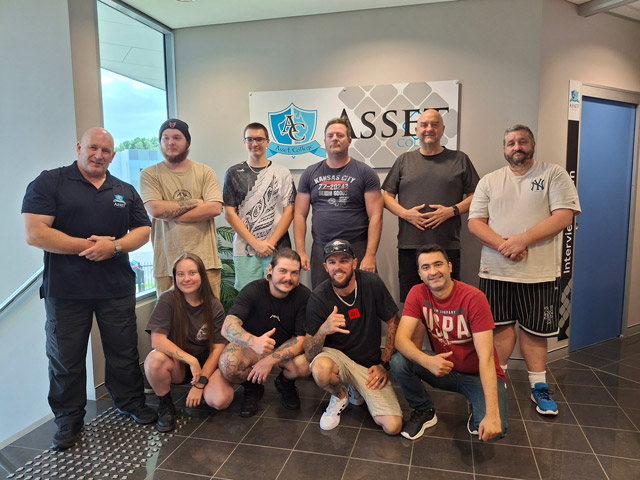
How to Choose a Training Provider You Can Trust
Selecting a provider is one of the most important decisions you’ll make when starting a security career. While all RTOs must meet national standards, the quality of your training experience will vary depending on the expertise of the trainers, the structure of the course and the support you receive as a learner.
A reputable provider will demonstrate a strong history of delivering security training and a clear understanding of industry expectations. Look for organisations with experienced trainers who can explain not only the content of the course but also how it applies in real operational settings.
The training environment is also an important consideration. Courses that incorporate realistic scenarios, role plays and hands-on activities help you practise essential skills before you enter the workplace. A provider that invests in practical training offers you a more authentic learning experience.
Learner support should be visible from the outset. From helpful enrolment guidance to accessible learning materials and opportunities for assistance during the course, quality support can significantly improve your confidence and outcomes.
Transparency around assessments is another sign of a good provider. You should know what to expect, how you’ll be assessed and what skills you’ll need to demonstrate. This helps you prepare effectively and ensures your training aligns with real job requirements.
Important Note: Beware of Cheap or Rushed Training
Extremely low-cost or overly compressed courses often compromise on practical training, feedback and scenario-based activities. While it may feel convenient in the short term, rushed or inadequate training can leave you underprepared for real work and may affect your confidence during your first shifts.
A good training provider focuses on delivering value, skill development and readiness – not just issuing qualifications.
Common Mistakes When Choosing a Security Course
Many new entrants unknowingly limit their options by making decisions based on convenience rather than quality. Understanding the common mistakes below will help you choose a course that genuinely prepares you for the job.
One of the biggest pitfalls is choosing a course purely based on speed. While short programs can be appealing, they may not provide enough time to practise skills or receive meaningful feedback. A course should give you the space to learn properly.
Another mistake is focusing solely on the qualification title. Although all RTOs offer the same nationally recognised Certificate II, the training experience behind it can differ significantly. Practical training, trainer expertise and learner support are what truly shape your readiness for work.
Some learners also underestimate the importance of communication. They assume security work is mainly about observation or presence, but most situations rely on your ability to speak clearly, manage conflict and build rapport. If your course doesn’t emphasise these skills, you may feel unprepared when issues arise.
Finally, many people overlook their future goals. Even if you’re only thinking about entry-level roles now, choosing a provider with clear progression options can help you grow your career over time.
Avoiding these mistakes gives you a stronger foundation for your first role and creates opportunities for long-term success in the industry.

How Asset College Supports Your Training Journey
At Asset College, we take a learner-focused approach to security training. Our programs are designed to help you build practical skills, develop confidence and understand the expectations of modern security employers.
Our trainers bring current industry experience, offering real insights into workplace environments and the challenges you may encounter. Through scenario-based learning and structured practice, you’ll develop the communication, risk awareness and problem-solving skills essential for security work.
We offer training across Australia with flexible delivery options to suit different learning styles and circumstances. Our team provides support throughout your journey, whether you’re new to study or returning after some time.
As your career progresses, we offer a wide range of specialist and advanced courses to help you explore new opportunities, from investigations and leadership to aviation security, protective services and beyond.
We also maintain strong connections with employers, keeping our training relevant to industry needs and helping students understand typical expectations for entry-level positions.
Conclusion: Making an Informed Start to Your Security Career
Choosing the right security course is an important step in building a career where professionalism, communication and awareness matter. When you understand your goals, know what quality training looks like and choose a provider committed to preparing you properly, you begin your journey with confidence.
Good training gives you more than a certificate – it gives you the skills to keep people safe, manage challenging situations and represent yourself and your employer professionally. Your first course is the foundation on which you can build a long and varied career.
With the right preparation and support, you can enter the security industry ready to contribute, ready to learn and ready to grow.
How Much Does the Security Guard Course Cost?
This comprehensive 2026 guide explains the full cost of the Certificate II in Security Operations, what affects course pricing, the funding available, employer-supported training options, additional licensing costs, RPL, expected earnings and how to choose a reputable training provider.